
How Orthodontics Affects Long-Term Dental Health (and Why Adults Shouldn't Skip It)
Alignment affects far more than aesthetics—it impacts wear, TMJ function, airway space, and restorative longevity
Many adults dismiss orthodontics as something they "should have done as a teenager" but now feel is just cosmetic. That's a misconception. Tooth alignment has profound effects on long-term dental health, TMJ function, airway space, and the longevity of any restorative work you receive. Straightening isn't just about looking better—it's about protecting your teeth for decades to come.
Beyond Aesthetics: How Alignment Affects Function
1. Uneven Wear Patterns
When teeth are misaligned, bite forces concentrate on certain teeth instead of distributing evenly. This causes:
- Accelerated wear on specific teeth
- Chipping and fracturing of overloaded teeth
- Premature need for crowns or other restorations
Real-world impact: Orthodontics before major restorative work ensures forces are distributed properly, protecting your investment and extending the life of crowns, veneers, or implants.
2. TMJ Dysfunction and Chronic Pain
Misalignment forces your jaw to function in a compromised position, straining the TMJ and surrounding muscles. Common problems include:
- Jaw clicking, popping, or locking
- Chronic headaches and migraines
- Neck and shoulder tension
- Limited jaw opening or painful chewing
Orthodontic correction can often alleviate or eliminate TMJ symptoms by establishing proper joint positioning and reducing muscle strain.
3. Airway Considerations
Narrow arches and certain bite relationships can restrict airway space, contributing to:
- Mouth breathing and snoring
- Sleep-disordered breathing
- Grinding and clenching (as the body tries to open the airway)
Orthodontic expansion or alignment can increase airway space, improving breathing, sleep quality, and reducing grinding-related damage.
4. Periodontal Health
Crowded or overlapping teeth are harder to clean effectively, increasing risk of:
- Gum disease and bone loss
- Cavities between teeth
- Bad breath and inflammation
Straight teeth are easier to brush and floss, significantly reducing long-term periodontal risk.
5. Restorative Longevity
If you're planning veneers, crowns, or implants, orthodontics beforehand creates ideal tooth position. This ensures restorations fit properly, look natural, and last longer because forces are distributed correctly. Placing beautiful restorations on misaligned teeth compromises both function and longevity.
Why Adults Often Skip Orthodontics (and Why They Shouldn't)
"I don't want metal braces"
Clear aligner technology has eliminated this barrier. Most adult cases can be treated with virtually invisible aligners—no one will know you're straightening unless you tell them.
"It takes too long"
Many adult cases finish in 6-18 months, especially if you're only addressing functional concerns rather than perfection. The time passes regardless—wouldn't you rather spend it investing in your long-term dental health?
"It's just cosmetic"
As outlined above, alignment affects far more than appearance. If you're experiencing wear, TMJ problems, or planning restorative work, orthodontics is functional treatment, not just cosmetic enhancement.
"I'm too old"
Teeth move at any age. I regularly treat patients in their 50s, 60s, and beyond. If you have healthy gums and bone, you're a candidate for orthodontic treatment.
When Orthodontics Makes Sense for Adults
Consider orthodontic evaluation if you:
- Have crowding, spacing, or misaligned teeth
- Experience TMJ pain, headaches, or jaw dysfunction
- Notice uneven tooth wear or frequent chipping
- Are planning cosmetic or restorative dentistry
- Have airway or sleep breathing issues
- Want to improve long-term dental health and avoid future problems
The Integration with Complex Restorative Cases
In my practice, orthodontics is often the first phase of comprehensive treatment. We align teeth into their ideal positions, then place veneers, crowns, or implants in a biomechanically sound relationship.
The result: Restorations that look natural, function optimally, and last decades rather than needing replacement in 5-10 years because forces were incorrect from the start.
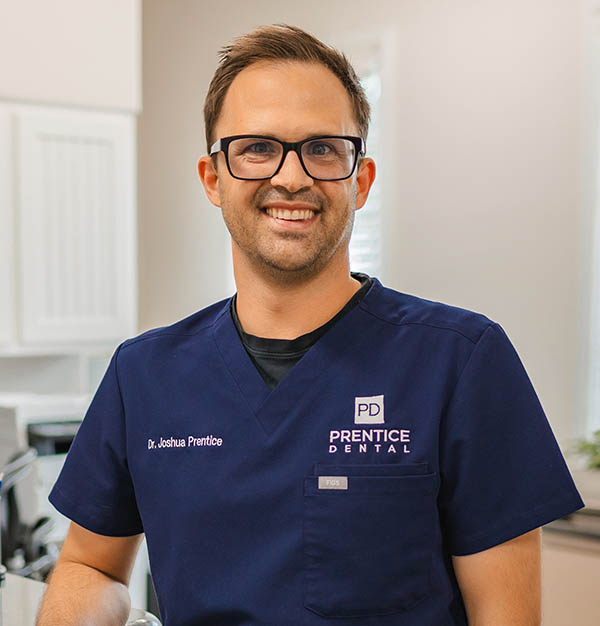
About Dr. Joshua Prentice
DDS, Kois Center Graduate with Honors
Dr. Prentice has completed advanced training at the prestigious Kois Center, one of dentistry's most respected institutions for comprehensive treatment planning and evidence-based care. He lectures nationally on complex restorative dentistry, digital workflows, and airway-centered treatment.
With over 15 years of experience in comprehensive dentistry, Dr. Prentice combines cutting-edge technology with evidence-based protocols to deliver predictable, lasting results for complex dental cases.
Related Articles
Explore Adult Orthodontic Options
Schedule a digital orthodontic evaluation to see how alignment correction could improve your dental health, eliminate pain, and enhance the longevity of any future dental work. We'll discuss clear aligner options and create a treatment plan tailored to your goals.
Or call us at (972) 539-6831