
How Decay and Gum Disease Start
Cavities begin when acid from bacteria pulls minerals out of enamel faster than saliva can put them back. Gum disease begins when plaque along the gumline causes inflammation. Both are easier to stop early than to repair later.
Key 1: Daily Home Care
Brush twice a day for two minutes, clean between your teeth once a day with floss or a water flosser, and limit how often you snack or sip sugary or acidic drinks. Frequency matters more than amount.
Key 2: Regular Professional Care
Checkups and cleanings find problems while they are small. Most healthy adults do well at six-month visits; patients with higher risk may need visits every three or four months. See what a hygiene visit should include.
Key 3: Treat Early Decay Without Drilling
Curodont Repair is a drill-free option for some early lesions that have not yet become cavities. When it fits, it helps the enamel rebuild instead of removing tooth structure for a filling.
Clear Defense is a protective coating for the grooves of back teeth, where decay often starts.
Key 4: Fluoride-Free Remineralization
Nano-hydroxyapatite is a form of the mineral teeth are made of. In toothpaste or as an in-office varnish (which we use in place of fluoride varnish), it supports enamel and can help with sensitivity. CariFree products help rebalance mouth chemistry for patients with repeated decay or dry mouth. Read more about nano-hydroxyapatite.
Key 5: Protect Existing Dental Work
Crowns, fillings and veneers last longer when the teeth around them stay healthy. If you grind, a fitted nightguard protects both natural teeth and restorations.
Who Needs Extra Protection
- Anyone with several new cavities despite good brushing
- Dry mouth from medications or medical conditions
- Patients in Invisalign treatment
- Patients before and after major restorative work
Our family dentistry page describes each option in more detail.
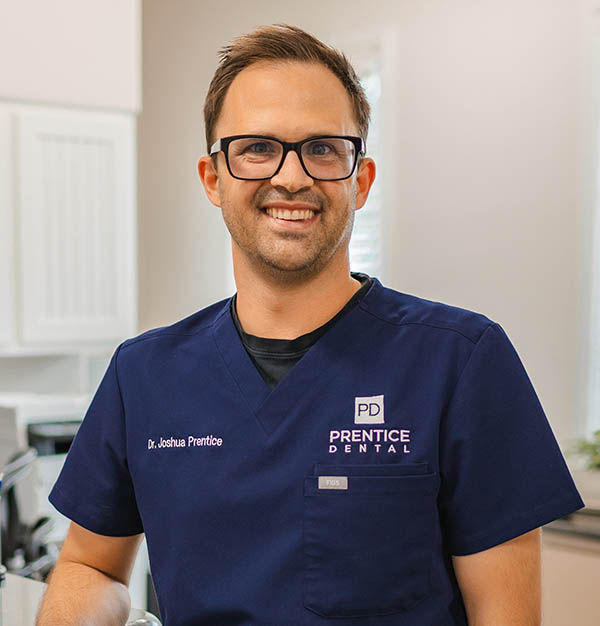
About Dr. Joshua Prentice
DDS, Kois Center Graduate with Honors
Dr. Joshua Prentice is a Kois Center Graduate with Honors, a designation earned by completing the Kois Center curriculum and passing the Graduate Honors Exam. He speaks for Nobel Biocare and has guest-lectured Texas A&M College of Dentistry AEGD residents on clinical photography and treatment planning.Disclosure: Dr. Prentice is a paid speaker for Nobel Biocare.
Practicing since 2014, Dr. Prentice combines digital technology with evidence-based protocols to deliver predictable, lasting results for complex dental cases.